On April 20th, 2026, the council released a survey to receive feedback on the 2026 Spring points update announced on March 2nd. 145 players responded to the survey, and the findings are as follows.
Metagame Questions
Format Health – Diversity, Fun, and Agency
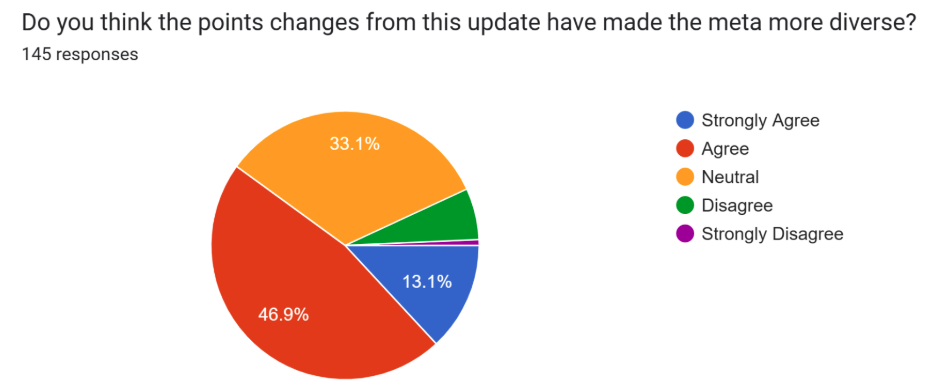
Players were asked if they feel the format metagame is more diverse after the points changes. A slight majority (60% for – 33.1% neutral – 6.9% against) of respondents believe the format to be more diverse post update. While changes like Minsc & Boo to 0 or Time Walk to 5 have helped revive certain archetypes, many players point out that the same core archetypes are still common, even if they have slightly different configurations of points.
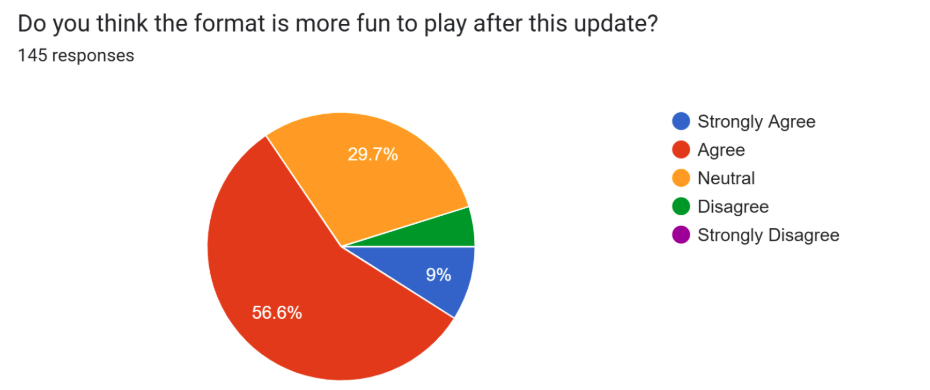
In addition to rating meta diversity, players were also asked whether they believe the format to be more fun post-points changes. More players rate the format as more fun as opposed to more diverse. The meta may not have shifted due to changes, but players are enjoying a format with fewer copies of Tamiyo or The One Ring running around.
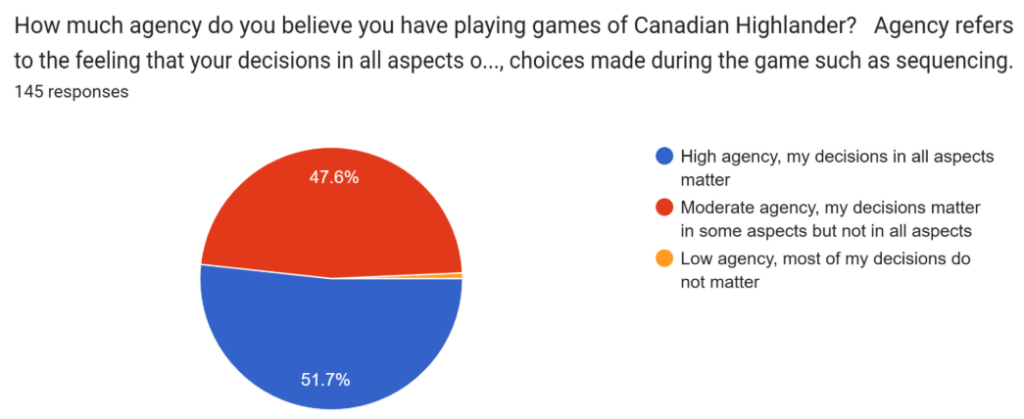
For this question, agency was defined as: “The feeling that your decisions matter in all aspects of the format, including deck building, mulligans, and choices made during the game such as sequencing of cards.” Most players believe they have moderate to high agency when playing the format, although some players note how the strength or prevalence of archetypes such as fast combo produce highly polarized gameplay that leads to a feeling of reduced agency.
Format Speed
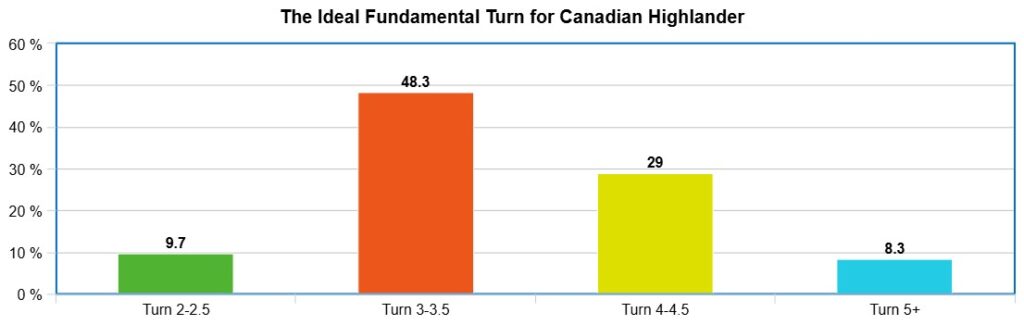
As power creep creates more efficient and powerful cards, an eternal format like Canadian Highlander tends to get faster every year. Players were asked to rate what turn they believe to be the ideal tipping point for either pulling ahead of their opponent or for disrupting their opponent, in other words, what is the turn where something fundamentally must happen. Most players believe the ideal fundamental turn is somewhere between turn 3 or 4, depending on the matchup, with a few players wanting a much slower (turn 5+) or a faster (turn 2-3) format.
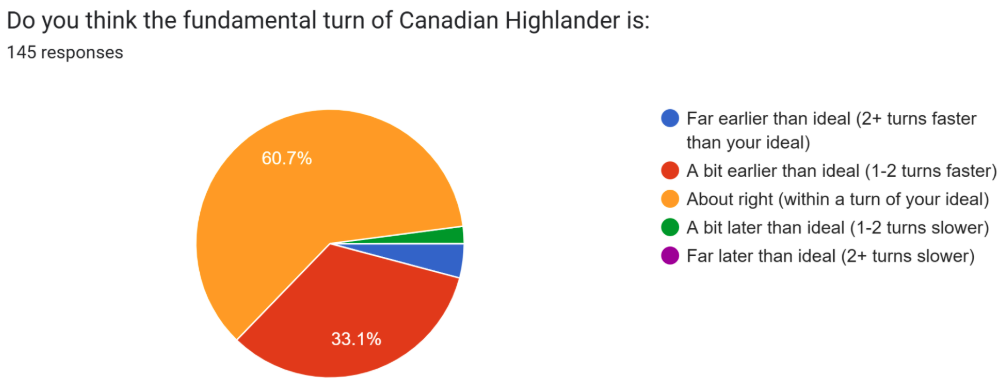
Although not every player started with the same ideal fundamental turn, they were asked to gauge whether they feel the format is faster or slower than their ideal pacing. 60.7% of players feel that the format is at about the right level of speed, while 37.2% of players feel as though the format is too fast and could benefit from a lower power level.
General Metagame Concerns
Although many players feel the meta is in a good place, there are lingering concerns about the strength of combo decks. Noncreature-based combo decks such as Citadel Storm, Lotus Breach, Flash Hulk, and Time Vault present challenges for many fair archetypes to overcome, as they require nonstandard answers and cause players to feel as if they are spreading their own game plans too thin in order to keep up. While Nadu is a less widespread concern, some players have noted its rise in popularity and success since the decrease of Time Walk to 5.
Quotes from the community:
- Combo is still really strong, which is still pushing a lot of the meta toward aggro that goes faster or control that can stop the game plan. Midrange feels like it’s in a rough spot, especially any kind of green midrange. Not sure the current points philosophy can effectively create change in the metagame we’re currently in. Especially when it comes to hitting things like Time Vault and Jeskai.
- Fast combo is still too good in my opinion. The decks are fast, consistent and lean. It feels like fair decks have to dedicate many slots to fight them, weakening their plan, and the fast combo decks have to dedicate many fewer slots due to access to cheap tutors. It feels like there is currently very little trade off because you get access to the fastest deck, cheap relevant interaction, resiliency, consistency. I think there needs to be pointings aimed at reducing one or two of these aspects to bring them more inline with the power level of the rest of the format.
Points Changes
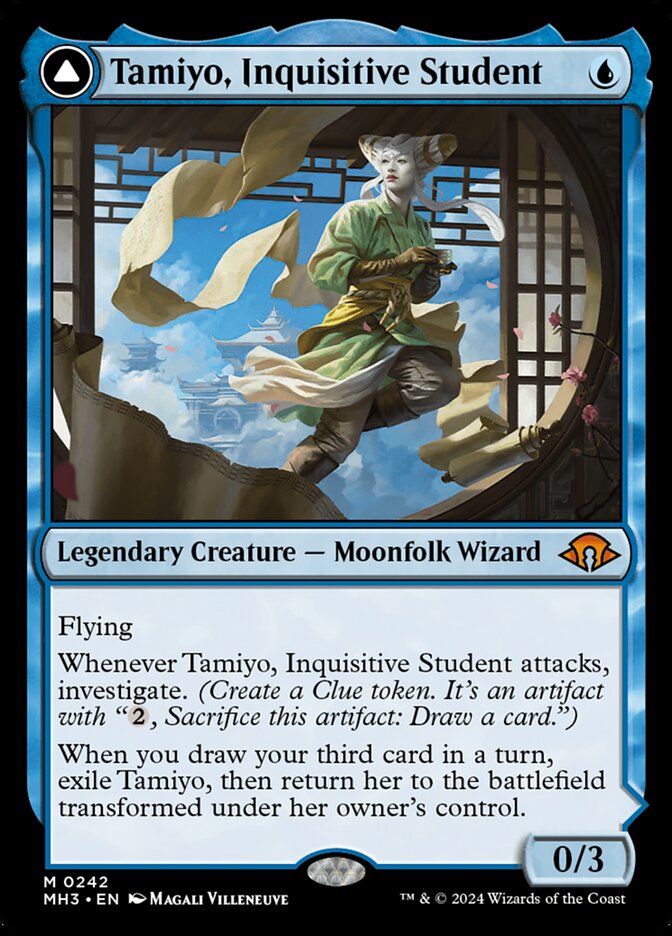
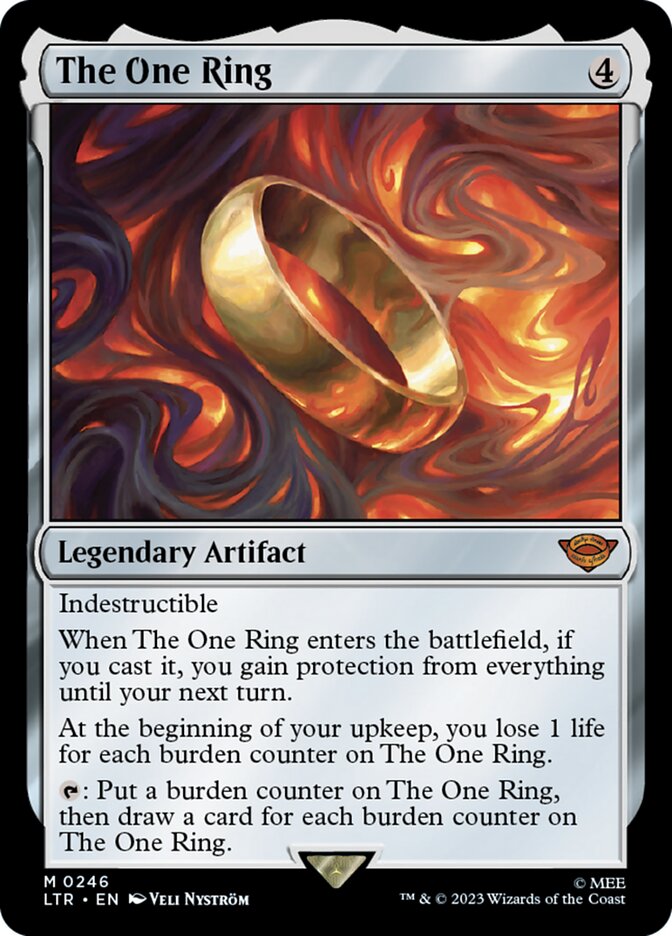
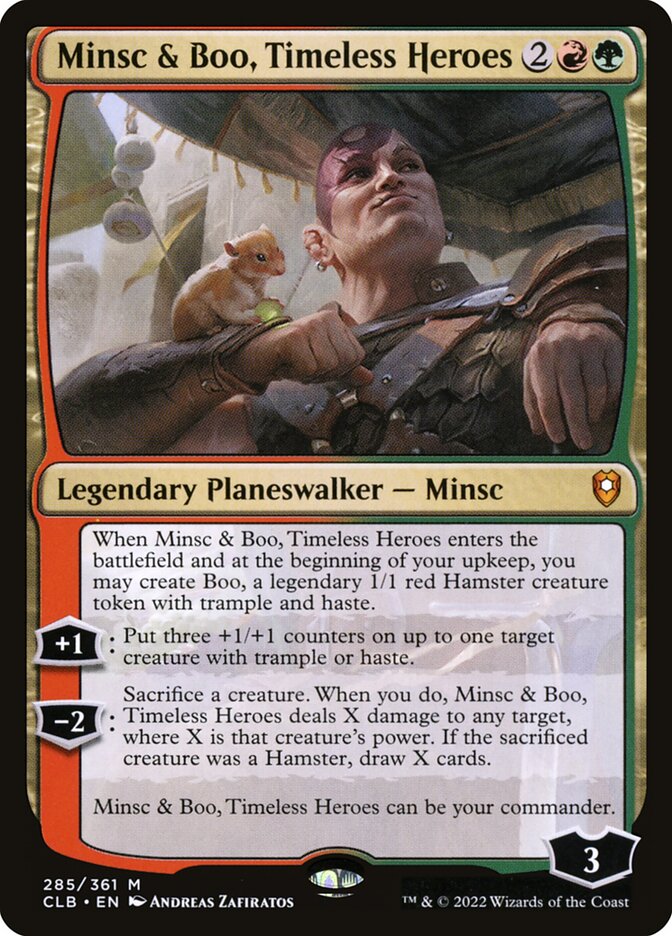
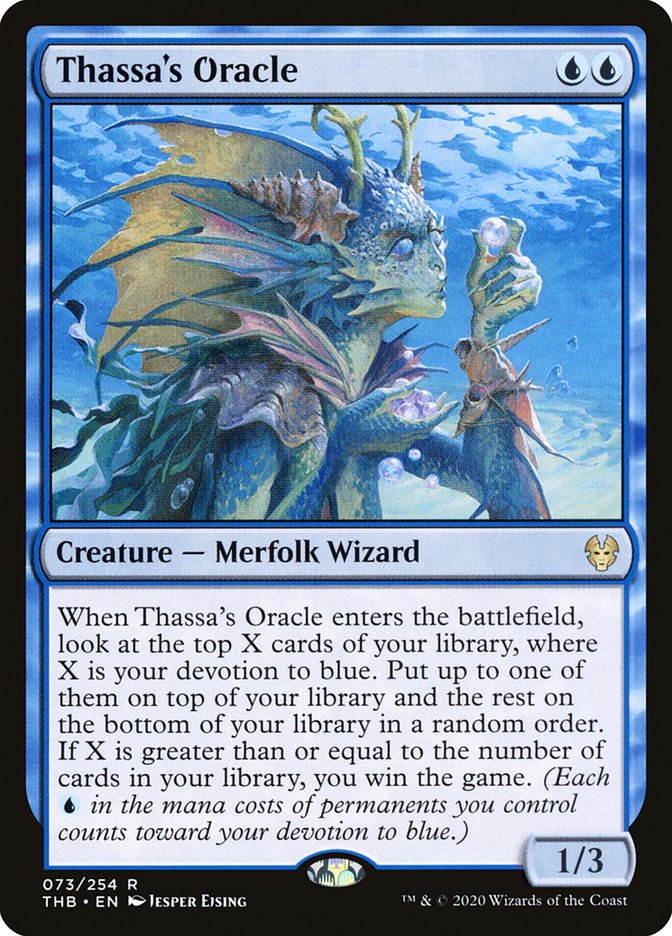
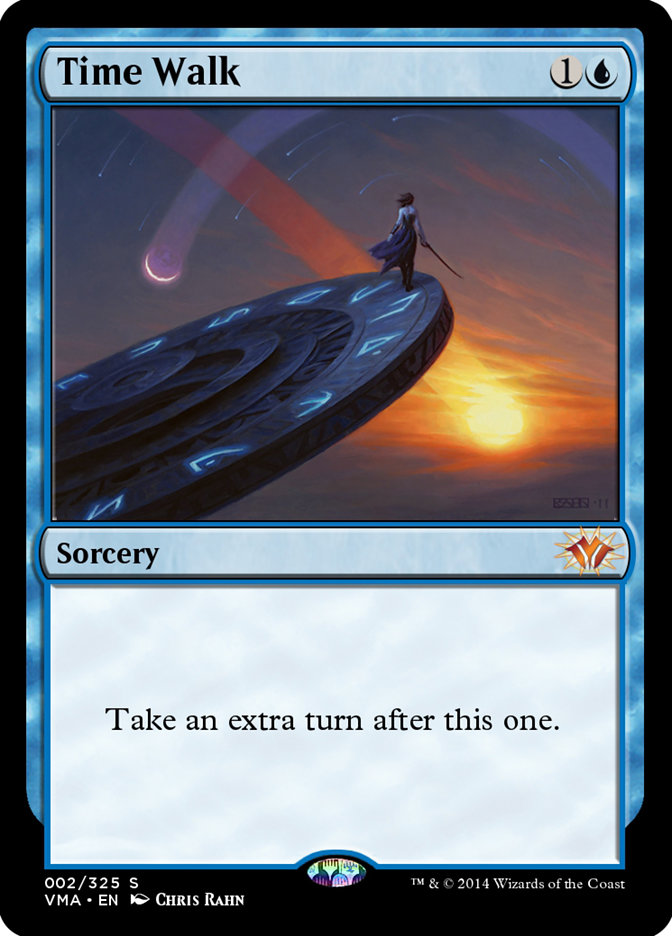
Tamiyo and The One Ring were added to the list, while Minsc & Boo was removed. Thassa’s Oracle and Time Walk were decreased.
Tamiyo, Inquisitive Student from 0 to 1
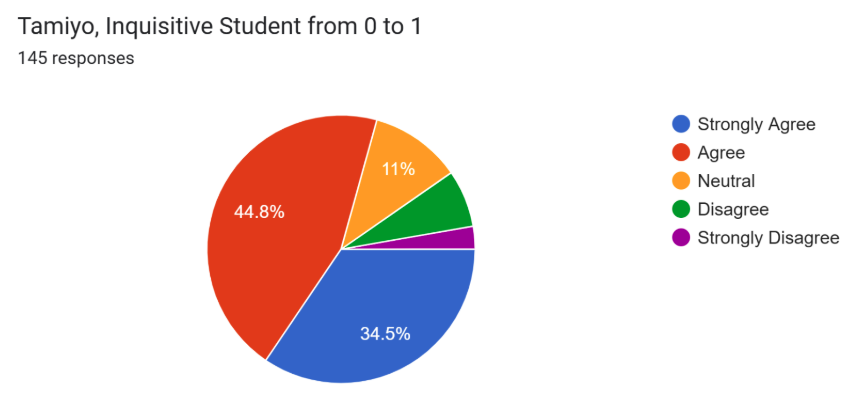
Many respondents agree with this change, as Tamiyo was one of the few early plays that punished opponents for not leaving up creature removal against their control opponents, even as early as turn one. Players acknowledge her power as a threat that snowballs advantage for a low cost and for her ubiquity in decks containing blue across the format. However, some disagree about her power level, as she is not as consistent to flip as in 60/4 formats, and believe she does not pass the bar for a one point card next to similar cards such as Psychic Frog.
Quotes from the community:
- Before the points change, a large majority of blue decks would just slot in this card without a second thought because the cost of inclusion was so low and it provided an insane amount of card advantage to those decks without a real cost. I like that we have to think twice about spending a precious point to include such a powerful card advantage engine in these decks now.
- Great change. Feels like a 1 pointer, was being freerolled in the best decks, and I’ve seen it show up still. I’ve had success paying for it in Jeskai Control.
- I have played with and against Tamiyo enough since the change that this feels like a slam dunk.
- This was a good hit to control. An unanswered Tamiyo on turn 1 felt almost unbeatable and having to waste removal to kill it was frustrating. I do think that it hurts blue-based midrange, but that’s a small price to pay for making control a bit worse.
- Doesn’t need to be pointed. Plenty of answers and not always having it early nerfs the card significantly, as there are not a lot of ways to flip it in one go.
- It’s just literally not that good. The scenarios where Tamiyo is good to the point of needing to be balanced are naturally rare and are also usually circumstances in which MANY other cards would fare just as well.
The One Ring from 0 to 1
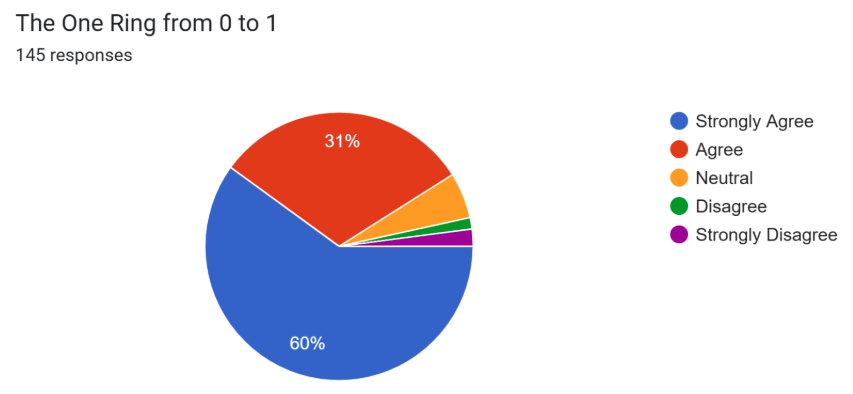
The One Ring being added to the points list was met with overwhelming approval. Most players found the card to be too ubiquitous and powerful, as the card advantage offered by The One Ring is unrivaled by any other playable engine in the format. The One Ring also offered an exceptional pivot for many combo decks which could frequently get it into play early and sometimes accelerate the number of cards drawn with untapping effects. Some players have noted that one downside of this pointing is that it hurts the ability for aggro and midrange decks to have a strong top-end refill to combat control, but most are willing to take this trade-off in order to reduce the ubiquity of The One Ring and remove it as a free engine for combo decks.
Quotes from the community:
- TOR was everywhere. You never had to think about including it, and now, you do.
- It soloed control. Now, it requires a commitment. Most combo decks have cut it, but Citadel now has to choose between it and Balance. It feels like a step in the right direction for combo to have to commit more for the blue matchup.
- Still playing the One Ring at 1.
- The One Ring is a card that is not only powerful in the top tier decks, but also disproportionately punishes the creature heavy aggro/midrange decks as well as most lower tier decks.
- The One Ring has potential to win the game out of nowhere for some decks and is very difficult to remove for many decks.
- This card was frustrating in how free of an inclusion it was, and I am excited to see less of it.
- I was surprised that TOR wasn’t pointed. It’s obviously powerful enough to be one, and being a colorless artifact, it could find its way in virtually any deck that wanted it. If there’s any negative to this change, it’s that aggro and midrange decks that would want to run it as a CA engine will be taxed in doing so, but the upside that combo decks who are already taxed pretty heavily will be further taxed makes this tradeoff bearable. Ultimately this creates more decision making points in deck design and that’s a positive.
Minsc & Boo, Timeless Heroes from 1 to 0
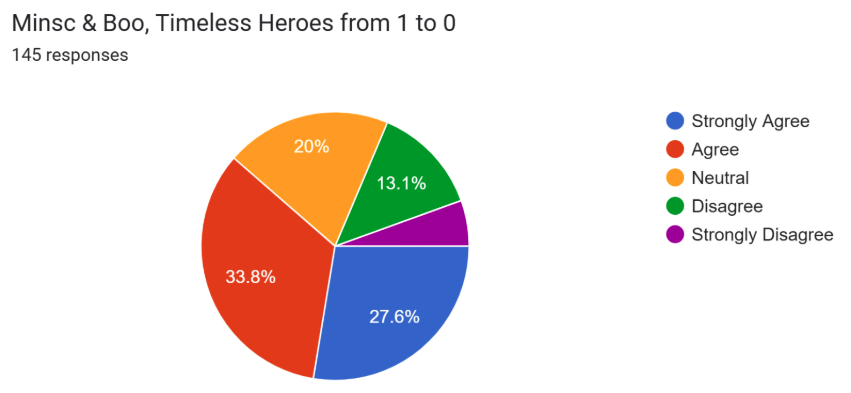
Although a majority of players are happy to see the hamster freed, opinions on Minsc & Boo coming off the list are divided. Some players view it as being an appropriately powerful four drop in a format hosting decks which can end the game as early as turn two or three and are glad to see some love given back to GR/x color combinations. However, other players point out that Minsc & Boo is still capable of single-handedly taking over games, and even though the planeswalker can be answered, it provides only a short window for interaction before the damage and advantage it provides snowballs out of control, aspects which were originally used to justify its initial pointing.
Quotes from the community:
- After Minsc & Boo was pointed, they seemed to pretty much entirely drop out of the format. Even after coming off the list, I haven’t been seeing them much, so I think the unpointing is warranted. M&B feels like a very powerful but very answerable card, which I think is a reasonable place for a 4 drop to be.
- I think this change singlehandedly brought back G/x aggro-midrange decks, and I love that.
- A card that will have some people unhappy whether it’s pointed at 1 or 0. I was of the opinion that it was fine to come off, but it is still quite oppressive without a bolt to answer it in response to the ETB.
- While I have been a fan of the recent approach of more 1 cost cards to increase decision making around points inclusion, M&B did feel like they took a bullet for Mystical Tutor and some of the points that ended up targeting Recall shells. The card is difficult to deal with and rather annoying but is probably more similar to Seasoned Dungeoneer than Psychic Frog or White Plume in terms of being points worthy.
- I really don’t like it when 4c slop is dominant, but I don’t think this change was super impactful towards that reality. I don’t love the card as a free roll but also acknowledge that it probably makes more sense as a 0 than a 1.
- This could be a mistake long-term with its power to win the game on its own, but it’s a 4 mana walker that’s reasonably checked by Karakas so I think it’s probably fine.
- The play pattern of M&B hasn’t changed since it’s pointing, making it free just allows even worse non-games.
Thassa’s Oracle from 6 to 5
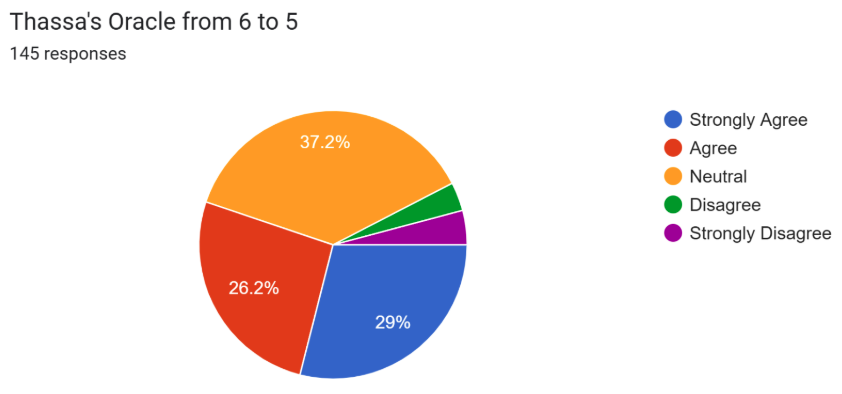
Thassa’s Oracle is a card with a lot of history in other formats but has seen little play in Canadian Highlander during the last few years due to its high points cost. Some players view this as a step in the right direction towards cleaning up an overpointed card, and there is some sentiment that Thassa’s Oracle may still be overpointed even at 5. A sizable portion of the community is ambivalent on the change, as Thassa’s Oracle is a card that shows up so infrequently such that many have never had to play against it. While most view this change as having a positive or at least neutral impact, some players worry about giving power to another combo deck with minimal opportunities for interaction.
Quotes from the community:
- I think 5 is still too high, Thoracle simply does not have the presence in our format that its point value would suggest. While I agree that there’s some danger in creating more combo decks, I think the combo control style that Thoracle pilots choose creates far less toxic play patterns than dedicated fast combo.
- I have not seen any decks attempting to use this card in ages. It’s almost no one’s favorite combo, but it deserves to exist, even on the fringes of the format.
- Thassa’s Oracle combo decks have mostly been simply worse than Time Vault decks for a while now, hopefully an extra point will bring the deck back to being a serious contender.
- It doesn’t see much play for a card that was consuming more than half your points.
- The card is pretty uninteresting, but I think it’s clear that it was being ignored when it was 6 points largely due to it not being worth 6 points. Flash Hulk is a comparable deck which is also generally considered uninteresting/boring, but has still seen more play than Thoracle has at either 6 or 5 points.
- I don’t like Thoracle as a relevant combo in the format, but it also clearly isn’t that, so I don’t think lowering the points is entirely unreasonable, even if I’d prefer not to see it.
- Thoracle may be the weaker of the difficult to interact with A+B combos but I’m not sure the risk is worth the reward. I don’t think we want uninteractable A+B combos to be particularly strong or powerful, and if the goal at the moment is to reign in the power of combo, I don’t see why we’re also downpointing one of the more polarizing combos.
Time Walk from 6 to 5
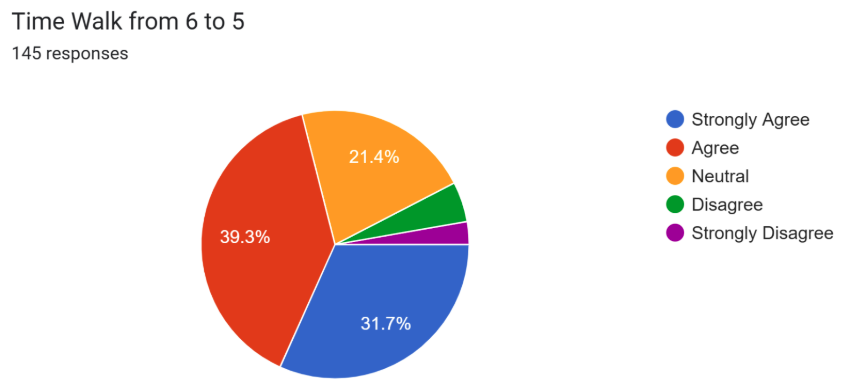
Time Walk is an iconic card which has had moments in the spotlight all throughout the format’s history but had fallen by the wayside in recent years, overshadowed by Ancestral Recall or Moxen in fair applications and by other, faster combo cards in unfair applications. Most players are happy to see Time Walk down to five to promote experimentation, especially in light of other point changes which have splashed damage onto both fair and unfair Time Walk decks alike. While some players raise concerns about the low cost of including the Seekerwalk combo for infinite turns and the potential swinginess of a resolved Time Walk, many report that they have enjoyed playing with fair Time Walk since its downpointing and feel it is now a reasonable alternative to Moxen or Ancestral Recall.
Quotes from the community:
- I have been loving experimenting with Walk, definitely my most played pointed card since the change and it has felt good but not broken. I think Walk to 5 was a success.
- I have to see what happens with Walk. Seekerwalk as a combo being only 5 points is rough and fair Walk does seem a steal. Previous blue pointings have done work in making this feel less absurd however.
- Making Time Walk more playable seems like a move that allows it to be played more in broader “fairer” shells that maybe are just looking to value Walk instead of loop infinite turns.
- Time Walk decks have felt like they’ve taken a lot of splash damage. This has led to most of the Time Walk decks being creature based decks. I think reducing the cost of Time Walk opens up more room for exploration around spell-based Time Walk lists.
- Time Walk always threads the needle between overpowered and just okay. I believe Time Walk at 5 is too strong. Most people when they think of Time Walk discredit it because the Seekerwalk “combo” is 6 mana, easy to disrupt etc, but just a Time Walk when at parity on board is often game over in fair games.
Conclusion
Most players believe that the format is doing well and that the Spring 2026 points changes have been largely beneficial. There is a general sentiment that the format is more diverse and fun to play after the changes. While there is more exploration of archetypes in general, there is a concern that the top decks of the metagame are largely unchanged. In particular, many players are still worried about the strength and resilience of noncreature combo and believe the format is a little faster than ideal. Despite these reservations, most players are not interested in any changes at this time and are enjoying the current state of the format.